Ayurvedic Hair Mastery: The Complete Guide to Frizz-Free, Healthy Hair in Kottayam’s Humid Climate

Ayurvedic Hair Mastery: The Complete Guide to Frizz-Free, Healthy Hair in Kottayam’s Humid Climate

Kerala’s tropical climate is both a blessing and a challenge for hair health. The same humidity that keeps our landscapes lush and green can transform a meticulously styled mane into a frizzy, unmanageable cloud within minutes of stepping outdoors. For generations, Kerala’s women have turned to Ayurvedic wisdom to maintain lustrous, healthy hair despite these environmental challenges—and now, modern techniques like the Curly Girl Method (CGM) are being adapted to work with these ancient practices rather than against them.
At beauty parlours across Kottayam, there’s a growing recognition that imported hair care routines often fail in our unique climate. What works in dry European summers or American winters frequently disappoints in Kerala’s year-round humidity. The solution lies in synthesizing traditional Ayurvedic hair care—rooted in local ingredients and thousands of years of tropical climate adaptation—with modern curl science and frizz-control technology.
This comprehensive guide explores how to achieve your healthiest, most manageable hair by honoring Kerala’s Ayurvedic heritage while incorporating evidence-based techniques for curl enhancement and humidity management.

Understanding Kerala’s Hair Climate Challenge

Kottayam’s climate presents a specific set of hair health factors that differ significantly from other regions. Understanding these mechanisms allows you to choose appropriate treatments rather than fighting a losing battle against nature.

The Science of Tropical Humidity and Hair

Human hair is hygroscopic—it absorbs moisture from the atmosphere. In Kerala’s average 75-85% relative humidity, hair shafts swell as they uptake water vapor from the air. This swelling lifts the cuticle (the outer protective layer), creating the rough, frizzy texture that frustrates so many residents. For those with naturally curly or wavy hair, this moisture absorption disrupts curl patterns, causing them to expand unpredictably rather than maintaining defined spirals.
The situation intensifies during monsoon season (June-September) when humidity approaches saturation, and again in pre-monsoon months (March-May) when heat combines with moisture to create particularly challenging conditions. Even “straight” hair becomes wavy, and wavy hair transforms into uncontrolled frizz.

Ayurvedic Perspective on Hair and Climate

Ayurveda, the traditional medicine system native to Kerala, classifies hair and scalp conditions through the lens of doshas—biological energies that govern physiological functions. The humid climate is understood to aggravate Kapha (earth and water elements), leading to excess oiliness, fungal growth, and heavy, limp hair. Simultaneously, the heat can aggravate Pitta (fire element), causing inflammation, premature graying, and hair fall.
Traditional Kerala Ayurvedic texts, including the Sushruta Samhita (circa 600 BCE), specifically address tropical hair care, recommending regular oiling with cooling, light oils like coconut to balance Pitta without exacerbating Kapha. These texts emphasize that hair care in humid climates requires different approaches than in dry regions—a wisdom that modern trichology now confirms.

The Kerala Adapted Curly Girl Method (CGM)

The Curly Girl Method, developed by Lorraine Massey, revolutionized textured hair care by eliminating sulfates, silicones, and heat styling. However, the original method was designed for temperate climates. The Kerala Adapted CGM modifies these principles for tropical humidity while incorporating Ayurvedic ingredients.

Core Principles of Adapted CGM

Gentle Cleansing (Modified Co-Washing): Traditional CGM emphasizes “co-washing” (cleansing with conditioner only). In Kerala’s humidity, this can lead to fungal overgrowth and scalp issues. The adapted method uses gentle, sulfate-free shampoos with Ayurvedic cleansers like shikakai (Acacia concinna) or reetha (soapnut) every 3-4 days, with co-washing only between clarifying washes.
Strategic Product Layering: Rather than following CGM’s “less is more” approach, Kerala’s humidity requires strategic layering: water-based hydrating products sealed with lightweight oils or butters. The sequence matters—apply products to soaking wet hair, layer from lightest to heaviest, and finish with a humidity-blocking gel.
Protective Styling Integration: While CGM encourages wearing hair loose to maximize curl pattern, Kerala’s climate demands protective styles (braids, buns, pinned updos) during peak humidity hours (10 AM – 4 PM) to minimize moisture absorption and frizz.

The Complete Kerala CGM Routine

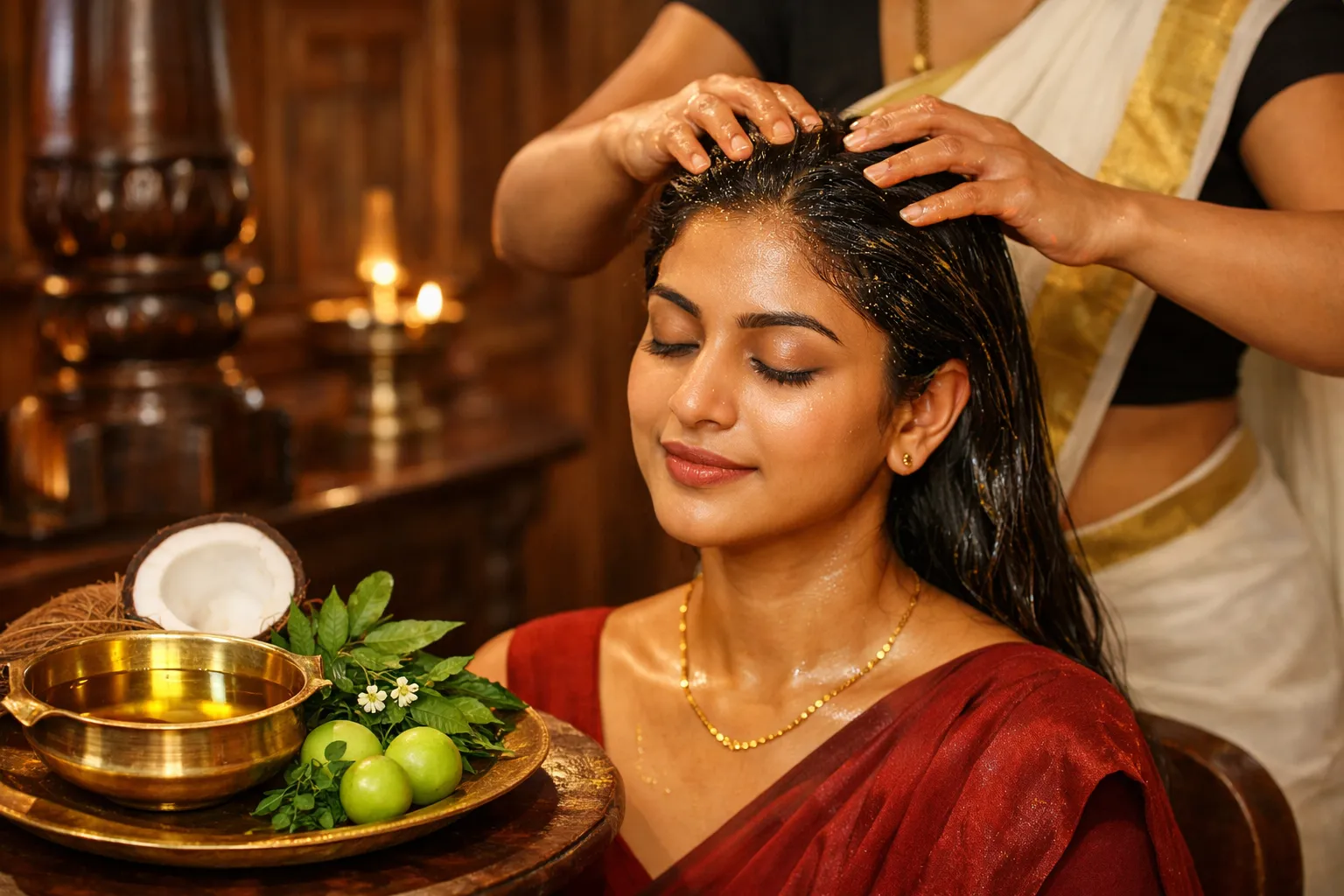
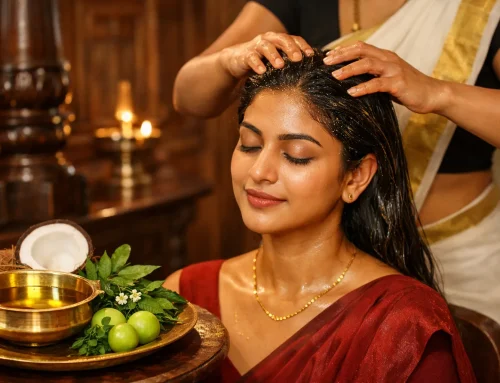
Step 1: Pre-Poo Ayurvedic Treatment (Weekly) Before cleansing, apply warm coconut oil infused with curry leaves or amla to dry hair. This traditional Kerala practice creates a protective barrier that prevents the shampoo from stripping natural oils. For curly hair, this step is non-negotiable—coconut oil’s molecular structure allows it to penetrate the hair shaft, reducing protein loss during washing by up to 50%.

Step 2: Gentle Cleansing Use a sulfate-free shampoo containing natural cleansers. Look for products with shikakai, which naturally balances scalp pH without harsh detergents. For wavy hair (Type 2), cleanse twice weekly; for curly (Type 3), 1-2 times weekly; for coily (Type 4), once weekly with co-washing between.

Step 3: Deep Conditioning (Weekly) Apply a deep conditioner containing fenugreek (methi) paste—a traditional Kerala ingredient rich in lecithin that nourishes hair follicles and reduces frizz. Add hibiscus flower extract for slip and shine. Leave on for 30 minutes under a warm towel to enhance penetration.

Step 4: Styling on Soaking Wet Hair This CGM principle remains unchanged but requires humidity-specific products. Apply a curl-enhancing cream followed by a humidity-blocking gel. Look for gels containing flaxseed extract or aloe vera—natural hold agents that don’t flake in humidity.

Step 5: Drying Technique Air drying is ideal, but in Kerala’s humidity, it can take hours and invite frizz. Use a diffuser attachment on low heat to speed drying without disrupting curl pattern. Never touch hair while drying—friction creates frizz.

Step 6: Night Protection Sleep on silk or satin pillowcases to reduce friction. For longer hair, use the “pineapple” method—gather hair loosely at the top of the head with a silk scrunchie—to preserve curl pattern overnight.

Traditional Kerala Hair Treatments for Modern Hair Care

Kerala’s Ayurvedic tradition offers specific treatments for various hair concerns, many of which align with modern hair science. These treatments are available at authentic Ayurvedic beauty parlours in Kottayam and can be adapted for home use.

Mukhalepam for Scalp Health

Though traditionally a facial treatment, Mukhalepam principles apply excellently to scalp care. This herbal paste treatment uses sandalwood, turmeric, and aloe vera to cleanse and balance the scalp. For those practicing CGM in Kerala’s humidity, monthly Mukhalepam scalp treatments prevent the fungal issues and buildup that can occur with heavy product use.
The treatment involves applying a paste of these herbs mixed with buttermilk or rose water to the scalp, leaving for 20 minutes, then rinsing. This clarifies without stripping, maintaining the scalp microbiome balance that commercial anti-dandruff shampoos often disrupt.

Nalpamaradi Thailam for Hair Gloss

This traditional oil preparation combines the bark of four sacred Ficus trees (banyan, peepal, udumbara, and cluster fig) with turmeric and other herbs in a sesame oil base. While traditionally used for skin, when applied to hair, it provides remarkable gloss and strength.
For modern CGM practitioners, Nalpamaradi Thailam serves as an excellent pre-poo treatment or sealant oil for Type 3 and 4 hair. Its cooling properties balance Kerala’s heat, while the turmeric provides natural UV protection—crucial for preventing sun damage during outdoor activities.

Dhurdhurapatradi Thailam for Hair Fall

Hair fall increases in Kerala’s humid climate due to fungal scalp conditions and weakened hair shafts. This Ayurvedic oil, containing dhatura (thorn apple) leaves and other herbs, specifically targets hair fall and premature graying.
Modern research confirms that the herbs in this preparation have antimicrobial properties that combat the Malassezia fungus responsible for dandruff and associated hair fall. For those experiencing humidity-related shedding, weekly application with gentle scalp massage stimulates circulation while treating underlying fungal issues.

DIY Ayurvedic Hair Care Recipes for Home

While professional treatments at Kottayam beauty parlours provide intensive care, daily maintenance relies on home practices. These recipes use ingredients readily available in Kerala markets.

Hibiscus and Yogurt Deep Conditioner

Ingredients:
  • 10-12 fresh hibiscus flowers (chembarathi) or 3 tablespoons dried
  • 1 cup plain curd (yogurt)
  • 1 tablespoon honey
Preparation: Grind hibiscus flowers into a fine paste. Mix with curd and honey until smooth. Apply to clean, damp hair from roots to ends. Leave for 30-45 minutes. Rinse with cool water and gentle shampoo.
Benefits: Hibiscus is rich in mucilage that smooths the cuticle and defines curls naturally. The lactic acid in curd gently clarifies while proteins strengthen. This mask specifically addresses the dryness that curly hair experiences despite humidity, providing moisture that actually penetrates rather than sitting on the surface.

Curry Leaf and Coconut Oil Infusion

Ingredients:
  • 1 cup fresh curry leaves (kariveppila)
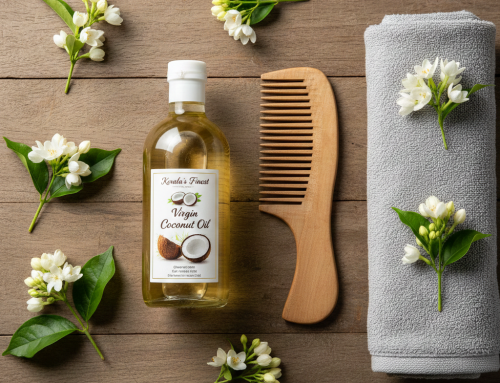
  • 200ml virgin coconut oil
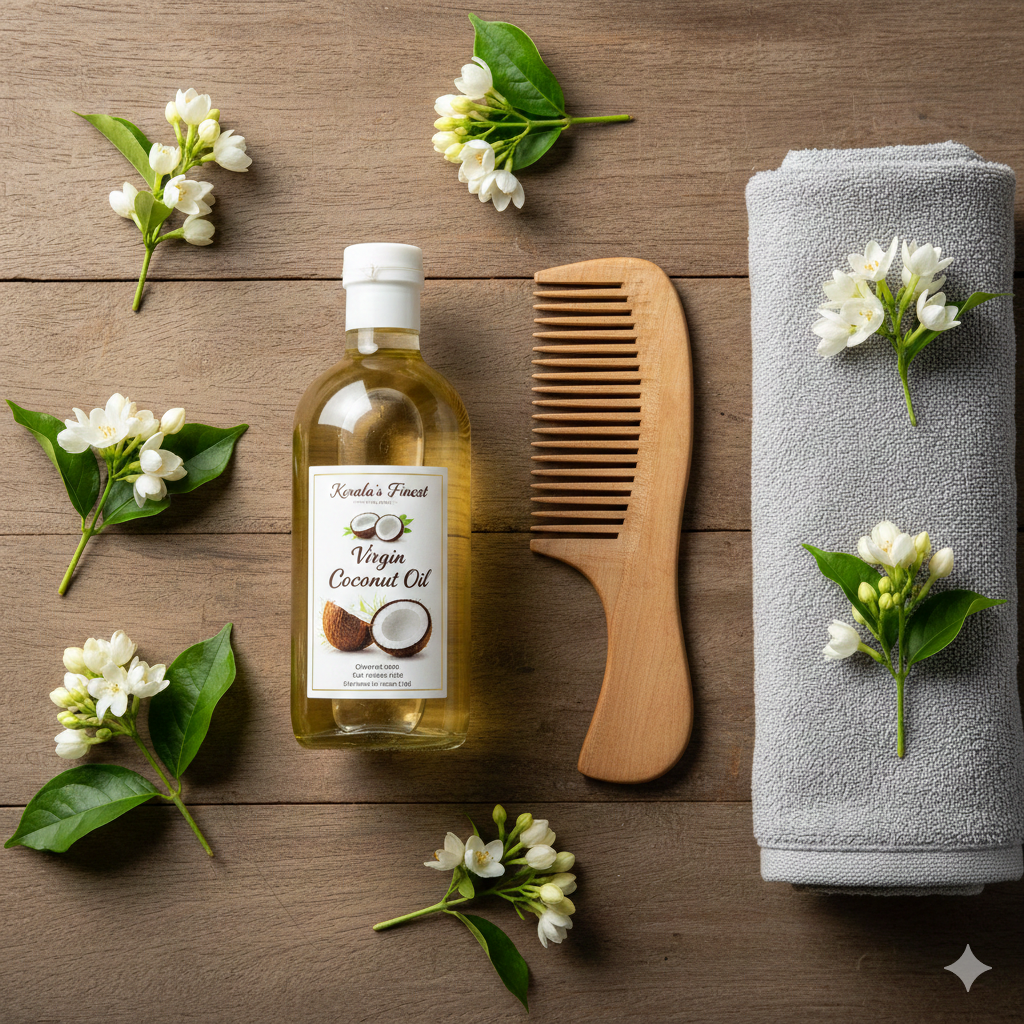
Preparation: Wash and thoroughly dry curry leaves. Heat coconut oil in a pan on low flame. Add curry leaves and simmer until they turn crisp. Cool, strain, and store in a glass bottle.
Usage: Warm slightly and massage into scalp 2-3 times weekly, leaving overnight when possible. This addresses Kerala’s specific hair concerns: curry leaves provide B-vitamins that prevent premature graying (common in Pitta-aggravated individuals), while coconut oil’s lauric acid penetrates the hair shaft, preventing protein loss from humidity exposure.

Shikakai and Reetha Cleansing Blend

Ingredients:
  • 3 tablespoons shikakai pods
  • 2 tablespoons reetha (soapnut) shells
  • 1 tablespoon dried amla
  • 500ml water
Preparation: Soak all ingredients overnight. Boil the mixture until reduced by half. Cool, strain, and store in a bottle.
Usage: Use as a gentle shampoo alternative 1-2 times weekly. This blend cleanses without sulfates, maintains scalp pH, and provides natural conditioning from the saponins in shikakai and reetha. For CGM practitioners, this is the ideal clarifying wash to remove silicone buildup from styling products.

Humidity-Proof Styling Strategies for Kerala

Even with optimal care, some days require additional strategies to maintain styled hair in Kottayam’s climate.

Protective Styles for Different Hair Types

For Wavy Hair (Type 2): Loose Dutch braids or twisted updos work best. These styles contain the hair while allowing some texture to show. Avoid tight ponytails that create tension and frizz at the hairline.
For Curly Hair (Type 3): The “pineapple” updo (high, loose ponytail) or low side buns preserve curl pattern while keeping hair off the neck. Use silk scrunchies to prevent denting and breakage.
For Coily Hair (Type 4): Bantu knots, flat twists, or crown braids provide excellent protection while creating beautiful curl patterns when released. These styles actually improve with humidity, as moisture helps set the pattern.

Product Application Techniques

The “Praying Hands” method—smoothing product between palms and pressing onto hair sections—works better than raking in Kerala’s humidity. This seals the cuticle flat, preventing moisture penetration.
The “Squish to Condish” technique—cupping water into hair while upside down—hydrates curls without weighing them down. However, in high humidity, follow immediately with leave-in conditioner and gel to seal in this hydration before atmospheric moisture can invade.

Emergency Frizz Control

When frizz appears despite prevention:
  1. Water Refresh: Mist hair with water mixed with a small amount of leave-in conditioner. Scrunch gently to reactivate product already in hair.
  2. Oil Seal: Apply a tiny amount of coconut oil or serum to smooth surface frizz.
  3. Style Pivot: If frizz is extensive, transition to a protective style rather than fighting it.

Professional Ayurvedic Hair Treatments in Kottayam

For intensive hair concerns or bridal preparation, professional treatments combine authentic Ayurvedic principles with modern delivery systems.

Traditional Hair Spa with Herbal Steam

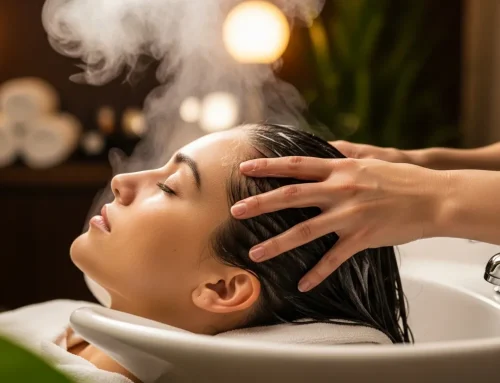
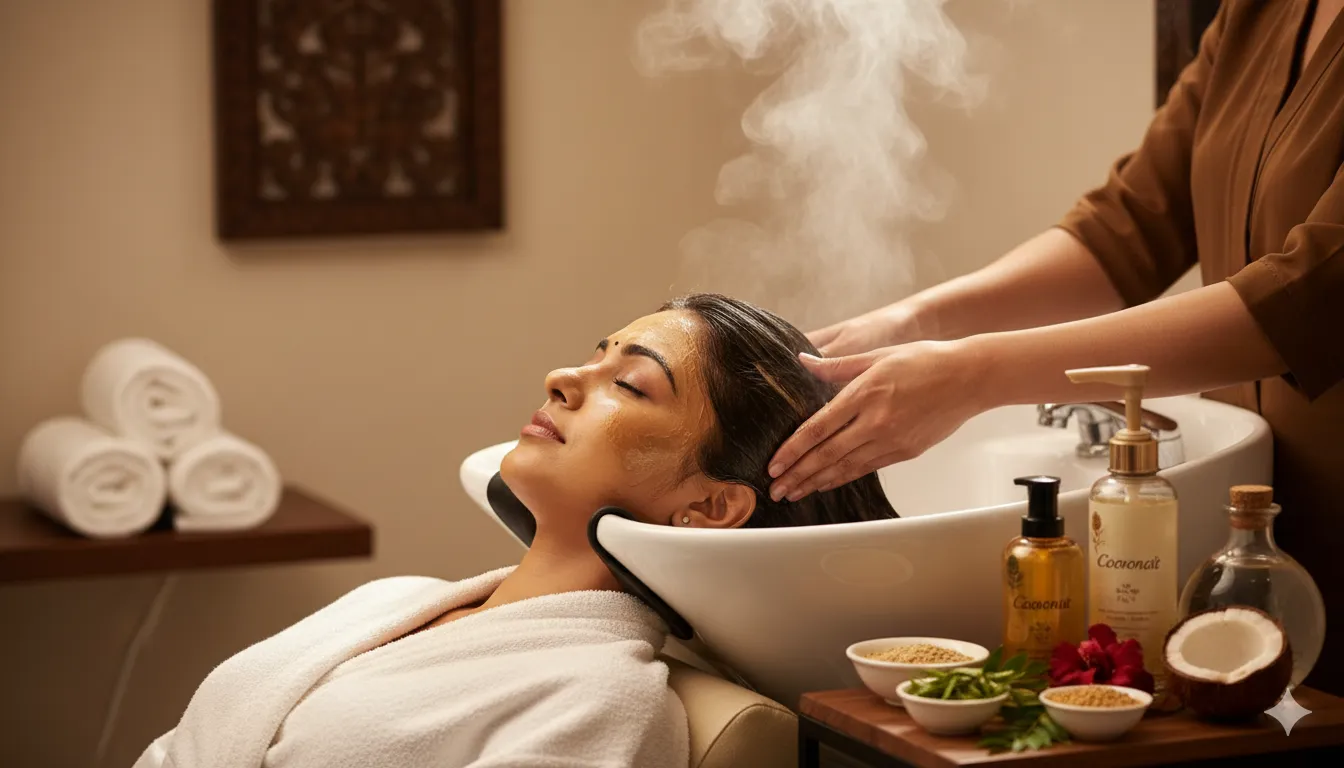
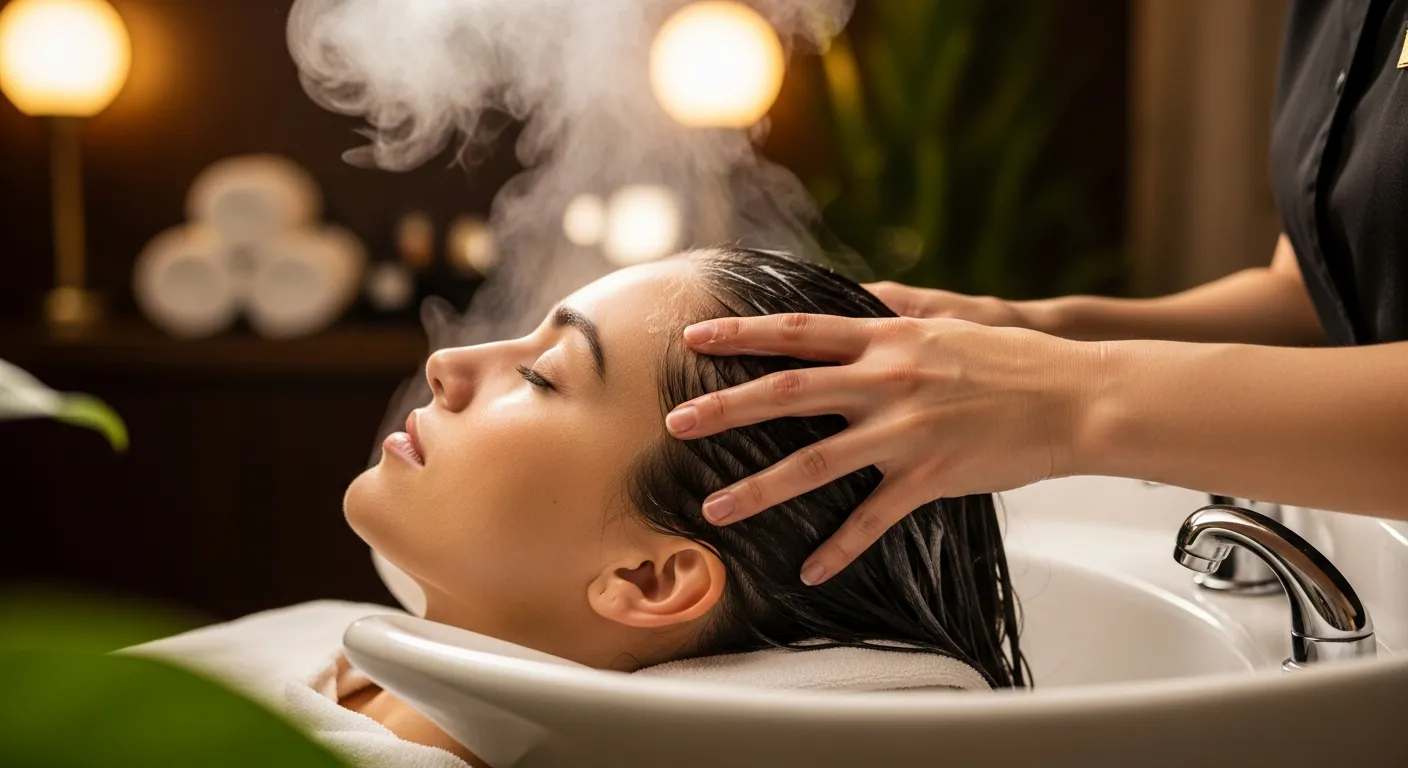
This treatment begins with warm herbal oil application (customized based on hair type), followed by steam infused with neem, tulsi, and rosemary. The steam opens cuticles, allowing deep penetration of nutrients. This is particularly beneficial for low-porosity hair common in Kerala due to regular coconut oil use.

Shirodhara for Scalp and Hair Health

While known as a stress treatment, Shirodhara—continuous pouring of warm oil on the forehead—also benefits hair. The oils used (often Brahmi or Bhringaraj infused) nourish hair roots while the treatment reduces cortisol, a major contributor to hair fall.

Ayurvedic Hair Coloring with Henna and Indigo

For those covering gray or seeking color without chemical damage, professional Ayurvedic salons offer henna-indigo treatments. Unlike box dyes, these conditions while coloring, and the natural coating actually helps seal cuticles against humidity.

Seasonal Adjustments for Year-Round Hair Health

Kerala’s three distinct seasons require adjusted approaches:

Monsoon (June-September)

Focus: Fungal prevention and moisture control
  • Increase cleansing frequency to prevent fungal growth
  • Use neem-infused products for antimicrobial protection
  • Emphasize protective styles to minimize moisture absorption
  • Ensure hair is completely dry before styling

H3: Winter (October-February)

Focus: Hydration and static control
  • Kerala’s “winter” is mild but drier than other seasons
  • Increase oiling frequency
  • Use heavier conditioners
  • Combat static with silk accessories

Summer/Pre-Monsoon (March-May)

Focus: UV protection and cooling
  • Increase antioxidant use (amla, green tea rinses)
  • Use protective styles to minimize sun exposure
  • Focus on cooling oils (coconut, aloe-based)
  • Hydrate internally with cooling herbs

Conclusion: Embracing Your Hair’s Natural Behavior

The ultimate goal of combining Ayurvedic wisdom with modern CGM techniques isn’t to fight Kerala’s humidity—it’s to work with it. Humidity is not your enemy; it’s a force to be managed intelligently. By understanding your hair’s porosity, texture, and unique response to our tropical climate, you can develop a routine that feels effortless rather than adversarial.
Kerala’s traditional beauty secrets have survived thousands of years because they work in this specific environment. Coconut oil, shikakai, hibiscus, and curry leaves aren’t trendy ingredients—they’re time-tested solutions to our climate’s challenges. When synthesized with modern understanding of curl patterns and product chemistry, they create a hair care approach that honors both heritage and science.
Your hair, properly cared for through these methods, won’t just survive Kottayam’s humidity—it will thrive, displaying the lustrous, healthy texture that has been Kerala’s beauty signature for generations. Whether your hair is straight, wavy, curly, or coily, the principles remain: cleanse gently, hydrate deeply, protect intelligently, and embrace the natural texture that makes your hair uniquely yours.

Ready to transform your hair care routine with authentic Ayurvedic wisdom? Book a consultation at Kottayam’s premier Ayurvedic beauty parlour and discover your personalized path to frizz-free, healthy hair.
Leave A Comment

Discover the Art of Makeup

Discover the Art of Makeup

Trusted by hundreds of happy clients in Kottayam